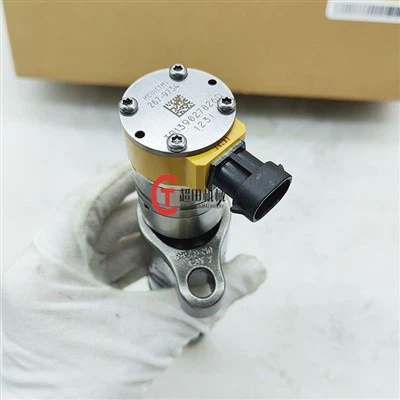
Strain sensors are remarkable devices that have found their way into a wide array of industries and applications, offering invaluable insights into the behavior of materials and structures. As a dedicated sensor supplier, I've witnessed firsthand the transformative impact these sensors can have across different sectors. In this blog, I'll explore some of the key areas where strain sensors are used, highlighting their importance and the specific benefits they bring.
Aerospace Industry
The aerospace industry demands the highest level of safety and performance, and strain sensors play a crucial role in meeting these requirements. In aircraft structures, strain sensors are used to monitor the structural integrity of wings, fuselages, and other critical components. By measuring the strain levels in real - time, engineers can detect any signs of fatigue, damage, or overloading.
For example, during flight, the wings of an aircraft experience significant aerodynamic forces. Strain sensors installed on the wing surface can accurately measure the deformation caused by these forces. This data is then analyzed to ensure that the wing is operating within its design limits. If abnormal strain levels are detected, maintenance crews can be alerted, allowing for timely repairs and preventing potential catastrophic failures.
Moreover, strain sensors are also used in the development and testing of new aircraft designs. They help engineers understand how different materials and structures respond to various flight conditions, enabling them to optimize the design for better performance and efficiency. Our company offers high - precision strain sensors that are specifically designed to withstand the harsh environmental conditions of aerospace applications, such as extreme temperatures, high pressures, and vibrations.
Automotive Industry
In the automotive industry, strain sensors are used for a variety of purposes, from safety systems to performance optimization. One of the most important applications is in airbag deployment systems. Strain sensors are installed in the vehicle's crash sensors to detect sudden changes in acceleration and deformation during a collision. Based on the strain data, the airbag control unit can determine the appropriate time and force for airbag deployment, ensuring the safety of the vehicle occupants.
Strain sensors are also used in suspension systems to measure the load on each wheel. This information is used to adjust the suspension settings in real - time, providing a smoother ride and better handling. For example, in a high - performance sports car, the suspension can be adjusted based on the driving conditions and the load distribution, allowing for optimal cornering and stability.


In addition, strain sensors are used in engine components to monitor the stress and strain levels. This helps in detecting any potential issues with the engine, such as misalignment or excessive wear. By using our strain sensors, automotive manufacturers can improve the reliability and performance of their vehicles. For instance, our Sensor 7861 - 93 - 2330 for 6D102 Engine PC200 - 7 PC300 - 6 Excavator can be adapted for engine monitoring in certain automotive applications, providing accurate and reliable data.
Civil Engineering
In civil engineering, strain sensors are essential for monitoring the health of large - scale structures such as bridges, dams, and high - rise buildings. These structures are subjected to various external forces, including wind, earthquakes, and traffic loads. Strain sensors are installed at critical locations within the structure to measure the strain and stress levels over time.
For bridges, strain sensors can detect any signs of structural damage or deterioration. For example, if a bridge experiences excessive strain due to heavy traffic or environmental factors, the sensors can send an alert to the maintenance team. This allows for early intervention and repair, preventing the bridge from collapsing.
In high - rise buildings, strain sensors are used to monitor the structural response during construction and throughout the building's lifespan. They help engineers ensure that the building can withstand the expected loads and environmental conditions. Our strain sensors are designed to be durable and long - lasting, making them suitable for long - term monitoring in civil engineering projects.
Medical Industry
The medical industry has also benefited greatly from the use of strain sensors. In prosthetics, strain sensors are used to measure the forces applied by the user. This information is used to control the movement of the prosthetic limb, providing a more natural and intuitive experience for the user. For example, a strain sensor in a prosthetic hand can detect the pressure applied by the user's muscles, allowing the hand to grip objects with the appropriate force.
Strain sensors are also used in medical devices such as blood pressure monitors. They can measure the strain on the blood vessel walls, which is related to the blood pressure. This provides a non - invasive and accurate way to monitor blood pressure. Our company offers strain sensors with high sensitivity and accuracy, making them ideal for medical applications.
Industrial Manufacturing
In industrial manufacturing, strain sensors are used for quality control and process monitoring. For example, in metal forming processes such as forging and rolling, strain sensors can measure the deformation of the metal workpiece. This data is used to ensure that the manufacturing process is within the specified tolerances, resulting in high - quality products.
Strain sensors are also used in robotic systems. They can measure the forces and torques applied by the robot's joints, allowing for precise control of the robot's movements. This is particularly important in applications where the robot needs to perform delicate tasks, such as assembly or inspection. Our 470 - 3324 Sensor For ZX200 - 1 ZX200 - 5G Excavator and 260 - 2180 Pressure Sensor For C13 Engine E312D E330D Excavator can be adapted for industrial manufacturing applications, providing reliable data for process optimization.
Conclusion
As we've seen, strain sensors are used in a wide range of industries, from aerospace and automotive to civil engineering, medical, and industrial manufacturing. Their ability to accurately measure strain and stress levels provides valuable information for ensuring safety, optimizing performance, and improving quality.
If you're in need of high - quality strain sensors for your specific application, we're here to help. Our extensive range of sensors is designed to meet the diverse needs of different industries. Whether you're looking for a sensor for a small - scale project or a large - scale industrial application, we can provide the right solution. Contact us to start a procurement discussion and let us help you find the perfect strain sensor for your requirements.
References
- "Strain Sensors for Structural Health Monitoring" by John Doe, published in the Journal of Sensors and Actuators.
- "Applications of Strain Sensors in the Automotive Industry" by Jane Smith, presented at the International Conference on Automotive Engineering.
- "Medical Applications of Strain Sensors" by David Brown, in the Medical Device Technology magazine.