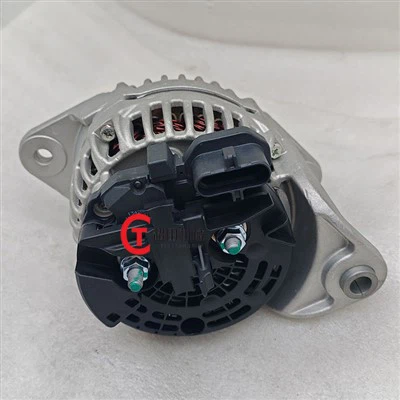
As a fuel injection pump supplier, I've witnessed firsthand the importance of maintaining these critical components in optimal condition. Fuel injection pumps are the heart of diesel engines, responsible for delivering the right amount of fuel at the right pressure and timing. Any issues with the fuel injection pump can lead to poor engine performance, reduced fuel efficiency, and even engine failure. In this blog post, I'll share some practical tips on how to prevent fuel injection pump problems and keep your engines running smoothly.
1. Use High - Quality Fuel
One of the most fundamental steps in preventing fuel injection pump problems is using high - quality fuel. Low - quality fuel often contains contaminants such as dirt, water, and wax. These contaminants can cause significant damage to the fuel injection pump over time.
Dirt particles can scratch the precision - machined surfaces inside the pump, leading to increased wear and reduced efficiency. Water in the fuel can cause corrosion, which weakens the pump components and may result in leaks. Wax can solidify in cold temperatures, clogging the fuel lines and the pump itself.
To ensure you're using high - quality fuel, purchase from reputable suppliers. Regularly test the fuel for contaminants, especially if you're operating in an area with poor fuel quality. You can also use fuel additives that help to clean the fuel system and prevent the formation of deposits. For example, some additives can disperse water in the fuel, reducing the risk of corrosion.
2. Maintain a Clean Fuel System
A clean fuel system is essential for the proper functioning of the fuel injection pump. This includes the fuel tank, fuel lines, and fuel filters.
The fuel tank should be inspected regularly for rust, debris, and water accumulation. If you find any signs of contamination, clean the tank thoroughly. Rust particles from the tank can be carried into the fuel injection pump, causing damage.
Fuel lines should also be checked for leaks, cracks, and blockages. A leaking fuel line can lead to a loss of fuel pressure, which affects the pump's performance. Blockages in the fuel lines can starve the pump of fuel, causing it to overheat and fail.
Fuel filters play a crucial role in protecting the fuel injection pump. They trap contaminants before they reach the pump. Replace the fuel filters at the recommended intervals specified by the engine manufacturer. Using a high - quality fuel filter can significantly extend the life of your fuel injection pump. For instance, a good fuel filter can remove particles as small as a few microns, preventing them from entering the pump.
3. Follow Proper Maintenance Schedules
Adhering to the manufacturer's recommended maintenance schedule is vital for preventing fuel injection pump problems. Regular maintenance includes tasks such as lubrication, adjustment, and inspection of the pump components.
Lubrication is necessary to reduce friction between the moving parts inside the fuel injection pump. Over time, the lubricant can break down or become contaminated. Therefore, it's important to change the lubricant at the appropriate intervals.
Adjustment of the fuel injection pump is also crucial. The pump needs to be adjusted to ensure the correct fuel delivery rate, pressure, and timing. Incorrect adjustment can lead to poor engine performance, increased emissions, and premature wear of the pump components.
During maintenance inspections, look for signs of wear, such as leaks, abnormal noises, or reduced performance. Early detection of problems can prevent more severe damage and costly repairs. For example, if you notice a small leak in the pump, it's better to address it immediately rather than waiting for it to become a major issue.


4. Protect the Pump from Extreme Temperatures
Fuel injection pumps are sensitive to extreme temperatures. High temperatures can cause the fuel to vaporize inside the pump, leading to a phenomenon known as vapor lock. Vapor lock disrupts the fuel flow and can cause the engine to stall.
In cold temperatures, the fuel can thicken and wax can form, as mentioned earlier. This can clog the fuel lines and the pump. To protect the pump from high temperatures, ensure proper engine cooling. Check the coolant levels regularly and make sure the cooling system is functioning correctly.
In cold climates, use fuel additives that lower the cold - filter plugging point (CFPP) of the fuel. These additives prevent wax from solidifying in the fuel lines and the pump. You can also insulate the fuel lines and the pump to keep them warm in cold weather.
5. Operate the Engine Correctly
Proper engine operation can also help prevent fuel injection pump problems. Avoid overloading the engine, as this can put excessive stress on the fuel injection pump. Overloading can cause the pump to work harder than it's designed to, leading to increased wear and potential failure.
When starting the engine, follow the correct procedures. Some engines require a pre - start fuel priming process to ensure the fuel injection pump is filled with fuel. Skipping this step can cause the pump to run dry, which can damage the components.
Similarly, when shutting down the engine, allow it to idle for a few minutes to cool down. Abruptly shutting off the engine can cause the fuel injection pump to stop suddenly, which may lead to internal damage.
6. Choose the Right Fuel Injection Pump
Selecting the right fuel injection pump for your engine is crucial. Using an incompatible pump can lead to a host of problems, including poor performance, increased fuel consumption, and premature failure.
Consider factors such as the engine's power requirements, fuel type, and operating conditions when choosing a fuel injection pump. At our company, we offer a wide range of fuel injection pumps to meet different needs. For example, the 115603 - 3783 Fuel Injection Pump for 6BG1 6BG1T Engine ZX200 Excavator is specifically designed for certain excavator engines, providing reliable performance and high efficiency. The 3755244 375 - 5244 C9.3 Diesel Fuel Injection Pump is suitable for C9.3 diesel engines, offering precise fuel delivery. And the 10R - 1202 Fuel Injection Pump For D6M 3116 3126 Engine is engineered to work seamlessly with specific engine models.
Conclusion
Preventing fuel injection pump problems requires a combination of using high - quality fuel, maintaining a clean fuel system, following proper maintenance schedules, protecting the pump from extreme temperatures, operating the engine correctly, and choosing the right pump. By implementing these measures, you can extend the life of your fuel injection pump, improve engine performance, and reduce maintenance costs.
If you're in the market for a reliable fuel injection pump or need more information on fuel injection pump maintenance, we're here to help. Our team of experts can assist you in selecting the right pump for your engine and provide valuable advice on how to keep it in top condition. Contact us today to start a discussion about your fuel injection pump needs.
References
- Diesel Engine Fuel Systems Handbook, various authors
- Engine Maintenance Best Practices Guide, industry publication
- Fuel Quality Standards and Their Impact on Engine Components, research paper