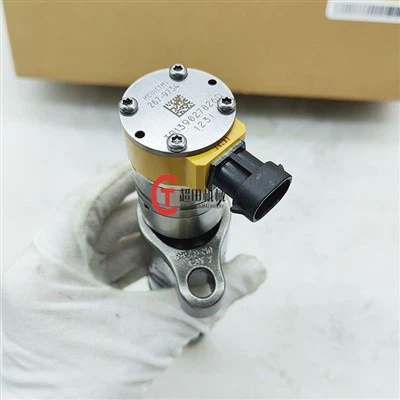
Hey there! As a fuel injector supplier, I've seen firsthand how crucial it is to measure fuel injector pressure accurately. Whether you're a mechanic working on a diesel engine or a fleet manager looking to optimize fuel efficiency, understanding how to measure fuel injector pressure can save you time, money, and headaches. In this blog post, I'll walk you through the process of measuring fuel injector pressure, step by step.
Why Measure Fuel Injector Pressure?
Before we dive into the measurement process, let's talk about why it's so important to measure fuel injector pressure in the first place. Fuel injectors are responsible for delivering the right amount of fuel into the engine's combustion chamber at the right time. If the fuel injector pressure is too high or too low, it can lead to a variety of problems, including:
- Poor fuel efficiency: If the fuel injector pressure is too low, the engine may not be getting enough fuel, which can lead to decreased power and increased fuel consumption.
- Rough idling: A fuel injector with low pressure may cause the engine to idle roughly or even stall.
- Engine misfires: Incorrect fuel injector pressure can cause the engine to misfire, which can lead to damage to the engine over time.
- Increased emissions: If the fuel injector pressure is not optimized, the engine may produce more emissions than necessary, which can be bad for the environment and may also cause your vehicle to fail emissions tests.
By measuring the fuel injector pressure, you can identify any issues early on and take steps to correct them before they cause more serious problems.
Tools You'll Need
To measure fuel injector pressure, you'll need a few tools. Here's what you'll need:
- Fuel pressure gauge: This is the most important tool you'll need. A fuel pressure gauge is used to measure the pressure of the fuel in the fuel rail.
- Fuel line fittings: You'll need fittings that are compatible with your vehicle's fuel system to connect the fuel pressure gauge to the fuel rail.
- Safety glasses: Fuel can be dangerous, so it's important to wear safety glasses to protect your eyes.
- Gloves: You'll also want to wear gloves to protect your hands from fuel and other chemicals.
Step-by-Step Guide to Measuring Fuel Injector Pressure
Now that you have the tools you need, let's walk through the process of measuring fuel injector pressure. Here's a step-by-step guide:
Step 1: Locate the Fuel Rail
The first step is to locate the fuel rail in your vehicle. The fuel rail is a metal pipe that runs along the top of the engine and supplies fuel to the fuel injectors. In most vehicles, the fuel rail is located near the intake manifold.
Step 2: Relieve the Fuel Pressure
Before you start working on the fuel system, it's important to relieve the fuel pressure to prevent fuel from spraying out when you disconnect the fuel line. To relieve the fuel pressure, you can follow these steps:
- Locate the fuel pump relay or fuse in your vehicle's fuse box.
- Remove the fuel pump relay or fuse to disable the fuel pump.
- Start the engine and let it run until it stalls. This will use up the remaining fuel in the fuel lines and relieve the pressure.
- Turn the ignition key to the "Off" position.
Step 3: Connect the Fuel Pressure Gauge
Once the fuel pressure has been relieved, you can connect the fuel pressure gauge to the fuel rail. Here's how:
- Locate the test port on the fuel rail. The test port is usually a small valve or fitting that is used to connect the fuel pressure gauge.
- Remove the cap from the test port.
- Connect the fuel pressure gauge to the test port using the appropriate fittings. Make sure the connections are tight to prevent fuel from leaking.
Step 4: Start the Engine
With the fuel pressure gauge connected, you can start the engine. As the engine runs, the fuel pressure gauge will display the fuel injector pressure.
Step 5: Read the Fuel Pressure
Once the engine is running, you can read the fuel pressure on the fuel pressure gauge. The fuel pressure should be within the manufacturer's specifications for your vehicle. If the fuel pressure is too high or too low, it may indicate a problem with the fuel injector or the fuel system.
Step 6: Compare the Reading to the Manufacturer's Specifications
To determine if the fuel injector pressure is within the manufacturer's specifications, you'll need to refer to your vehicle's service manual. The service manual will provide the recommended fuel injector pressure range for your vehicle. Compare the reading on the fuel pressure gauge to the recommended range to see if the fuel injector pressure is within the acceptable limits.
Step 7: Disconnect the Fuel Pressure Gauge
Once you've finished taking the fuel pressure reading, you can disconnect the fuel pressure gauge from the fuel rail. Here's how:
- Turn the ignition key to the "Off" position.
- Remove the fuel pressure gauge from the test port.
- Replace the cap on the test port.
Step 8: Reinstall the Fuel Pump Relay or Fuse
Finally, you can reinstall the fuel pump relay or fuse to enable the fuel pump. This will restore the fuel pressure to the fuel system.
Common Problems and Solutions
While measuring fuel injector pressure is a relatively straightforward process, there are a few common problems that you may encounter. Here are some of the most common problems and their solutions:
- Fuel pressure is too high: If the fuel pressure is too high, it may indicate a problem with the fuel pressure regulator or a clogged fuel return line. You may need to replace the fuel pressure regulator or clean the fuel return line to fix the problem.
- Fuel pressure is too low: If the fuel pressure is too low, it may indicate a problem with the fuel pump, a clogged fuel filter, or a leak in the fuel system. You may need to replace the fuel pump, clean or replace the fuel filter, or repair the leak to fix the problem.
- Fuel pressure fluctuates: If the fuel pressure fluctuates while the engine is running, it may indicate a problem with the fuel pump or a faulty fuel injector. You may need to replace the fuel pump or the faulty fuel injector to fix the problem.
Our Fuel Injector Products
As a fuel injector supplier, we offer a wide range of high-quality fuel injectors for various engines. For example, we have the 127 - 8209 Fuel Injector For 3116 3114 Engine E320B E200B, which is designed to provide reliable performance and optimal fuel delivery for these specific engines. We also have the Engine Parts Injector 4928349 for QSK19 K19 KTA19 and the Fuel Injector 418 - 8820 20R4179 For C3600 3608 3606. All our fuel injectors are carefully tested to ensure they meet the highest standards of quality and performance.


Conclusion
Measuring fuel injector pressure is an important part of maintaining your vehicle's engine. By following the steps outlined in this blog post, you can easily measure the fuel injector pressure and identify any issues early on. If you have any questions or need further assistance, don't hesitate to reach out. We're here to help you keep your engines running smoothly. Whether you're in need of a new fuel injector or just want some advice on engine maintenance, we're the experts you can trust. So, if you're interested in our fuel injector products or want to discuss your specific needs, feel free to start a conversation with us. Let's work together to optimize your engine's performance!
References
- "Automotive Fuel Injection Systems" - A comprehensive guidebook on automotive fuel injection technology.
- Vehicle service manuals for various engine models.