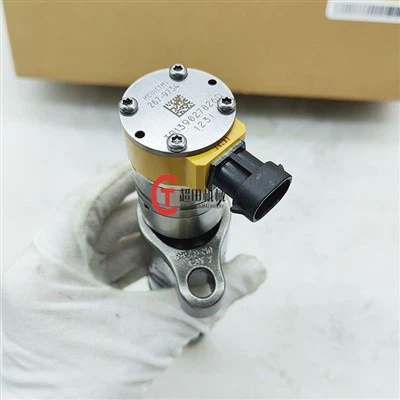
Yo, what's up, fellow motorcycle enthusiasts! I'm stoked to be here today to break down how a fuel injector works in a motorcycle engine. As a fuel injector supplier, I've seen these little wonders up close and personal, and I'm pumped to share the knowledge with you.
First things first, let's talk about why fuel injectors are such a big deal. Back in the day, motorcycles used carburetors to mix air and fuel. Carburetors are like the old-school way of doing things. They work by using the vacuum created by the engine to suck in fuel and mix it with air. But they have their limitations. They're not as precise as fuel injectors, and they can be affected by things like altitude and temperature.
Fuel injectors, on the other hand, are the modern way to go. They're super precise, and they can deliver the exact amount of fuel needed for the engine to run efficiently. This means better performance, better fuel economy, and lower emissions. It's a win-win situation!
So, how does a fuel injector actually work? Well, it's a pretty cool process. Let's break it down step by step.
Step 1: The Fuel Supply
The first step in the process is getting the fuel to the injector. The fuel tank stores the gasoline or diesel, depending on the type of engine. A fuel pump, usually located inside the fuel tank, pumps the fuel through a fuel filter to remove any impurities. The filtered fuel then travels through a fuel line to the fuel injector.
Step 2: The Injector Body
The fuel injector is a small, precision-made device. It has a body that houses all the important components. Inside the body, there's a solenoid, which is an electromagnet. When an electrical current is applied to the solenoid, it creates a magnetic field.
Step 3: The Nozzle
At the end of the injector body, there's a nozzle. The nozzle is designed to spray the fuel into the engine's combustion chamber in a fine mist. This fine mist is important because it allows the fuel to mix more evenly with the air, which leads to better combustion.
Step 4: The Opening and Closing of the Injector
When the engine's control unit sends a signal to the injector, the solenoid is energized. The magnetic field created by the solenoid pulls a plunger inside the injector. This plunger opens a valve, allowing the fuel to flow through the nozzle and into the combustion chamber.
Once the right amount of fuel has been injected, the control unit stops sending the signal to the injector. The solenoid loses its magnetic field, and the plunger returns to its original position, closing the valve and stopping the fuel flow.
Step 5: The Combustion Process
Once the fuel is sprayed into the combustion chamber, it mixes with the air. The spark plug then ignites the mixture, creating a small explosion. This explosion pushes the piston down, which turns the crankshaft and powers the motorcycle.
Now, let's talk about some of the different types of fuel injectors. There are two main types: port fuel injectors and direct fuel injectors.
Port fuel injectors are the most common type. They're located in the intake manifold, just outside the combustion chamber. They spray the fuel into the intake port, where it mixes with the air before entering the combustion chamber.
Direct fuel injectors, on the other hand, are located directly in the combustion chamber. They spray the fuel directly into the chamber, which allows for even more precise control of the fuel-air mixture. This can lead to even better performance and fuel economy.
As a fuel injector supplier, we offer a wide range of fuel injectors for different types of motorcycle engines. For example, we have the Engine Parts Injector 4928349 for QSK19 K19 KTA19. This injector is designed for specific heavy-duty engines and is known for its reliability and performance.
We also have the 328 - 2582 3282582 Diesel Fuel Injector for C7 Engine. If you have a C7 engine, this injector is a great choice. It's built to deliver the right amount of diesel fuel for optimal engine operation.
And for those with 3054 or 3054B engines, we offer the 185 - 5754 1855754 Fuel Injector for 3054 3054B Engine. This injector is engineered to provide precise fuel delivery, ensuring smooth and efficient engine performance.
If you're in the market for a new fuel injector for your motorcycle engine, we're here to help. We understand that every engine is different, and we can help you find the right injector for your specific needs. Whether you're a professional mechanic or a DIY enthusiast, we've got the products and the knowledge to support you.
So, if you're interested in learning more about our fuel injectors or if you're ready to make a purchase, don't hesitate to reach out. We're always happy to answer your questions and have a chat about how we can improve your motorcycle's performance.
References
- Automotive Technology: A Systems Approach, by James D. Halderman
- Motorcycle Maintenance for Dummies, by Mark Zimmerman
That's all for today, folks! I hope you found this blog post informative. If you have any questions or comments, feel free to leave them below. Catch you later!